
The 4 Aces Diner in West Lebanon, New Hampshire, first opened in 1952 as a Worcester Lunch Car and was later moved to its current Bridge Street location in the 1980s after a fire. For decades, the Shorey–Briggs family operated it, making it a beloved community landmark known for its classic diner atmosphere and hearty meals.
In 2022, the diner celebrated its 70th anniversary. Most recently, Doug and Stephanie Allard purchased it and plan to preserve its nostalgic character while continuing its tradition of serving locals and visitors alike.
Another 4 Aces tradition Doug and Stephanie uphold is their belief in giving people coming out of incarceration a fresh start.
Employers like the Allards recognize that giving someone a fair opportunity provides stability and financial independence, reduces the risk of recidivism, and supports social justice and equity. Stephanie encourages other employers to do the same, noting that second starts change lives and strengthen businesses and communities.
“I would recommend to other employers that they consider hiring residents from Hartford Dismas House,” Stephanie says. “It has been a positive experience for us, and it’s a way to invest in both people and our community.”
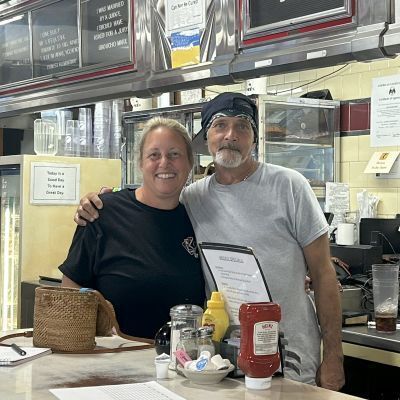
One example is Chad, a current resident of Hartford Dismas House, who now works at 4 Aces. Stephanie and the staff say, “Chad is fantastic! He is hard-working, reliable, and serious about the job.” They also see real potential for his growth at the diner and value his contributions to their team. Pictured here are Stephanie Allard and Chad.
When Chad first arrived at Hartford Dismas House, he set clear goals for himself: to reenter the workforce, rebuild his life, and achieve lasting stability. Today, he is on that path. “I like working at 4 Aces for the Allards,” Chad shares. “They are great employers, and it’s a great place to work. I feel like I am contributing to their business, and they are invested in me as well. Recently, when something came up and I had to step away from work, Doug noticed right away and offered to drive me and bring me back—that showed me how much they care about me as a person, not just an employee.”
Chad’s story is just one example of the critical role compassionate employers play in counteracting societal bias. The lack of protection for the previously incarcerated among housing and employment opportunities creates a situation where one mistake can lead to a lifetime sentence of discrimination. Businesses like 4 Aces can serve as a link between Dismas residents and the broader community from which they have been separated from, sending essential messages of acceptance and worth, rather than rejection.
The Dismas of Vermont mission centers on reconciliation. If we hold people accountable for their actions as a matter of justice, then reconciliation completes that justice. For a Dismas resident to be reconciled in their community, they need to be a welcomed, valued member, with all the responsibilities and rights that come with it, including employment opportunities. To learn more about hiring Dismas residents, contact your local Dismas house.