
In 2024, Dismas of Vermont launched its Step-Down Housing Program in response to resident feedback regarding their barriers to securing independent housing after their time in a Dismas family-style home.
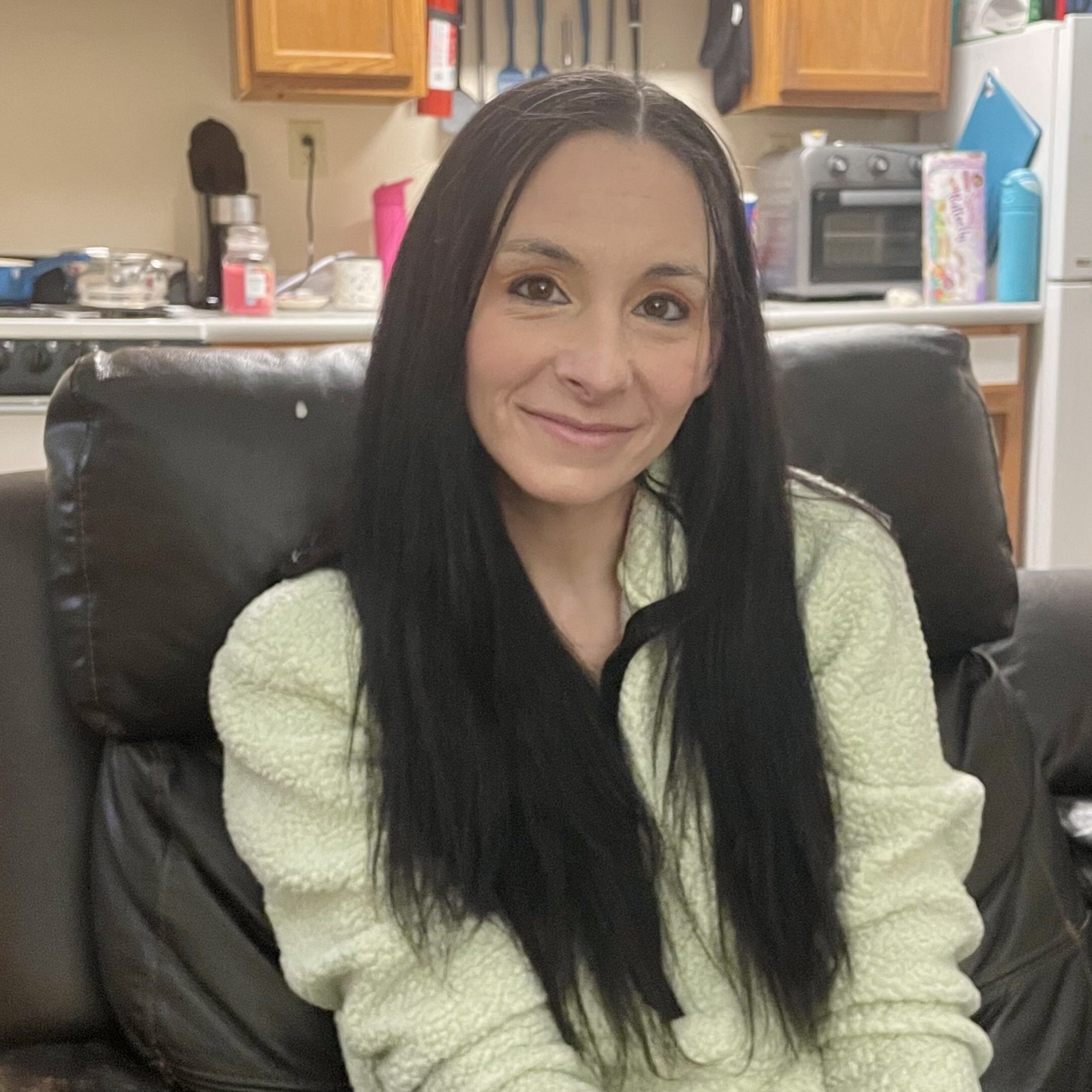
When asked about her first night in her apartment, she said, “It was so nice, such a good feeling. I worked really hard to make it to this point and I know that if I hadn’t put in the work, I wouldn’t be here.”
The progressive model that Dismas of Vermont offers of family-style housing followed by step-down housing offers up to four years of support, providing residents with an extended runway for success. This approach is innovative, replicable, and evidence-based. Step-down housing specifically for previously incarcerated individuals does not exist elsewhere in Vermont, where people who have been successfully served in congregate housing can transition to greater independence with supportive master leasing and later take over the rental entirely. With this model, Dismas has essentially created its own continuum of care in partnership with landlords and other housing programs.
Rent owed by the sub-tenant is on a sliding scale based on income that gradually increases to the full rent with increased earnings. This approach mitigates a landlord’s perceived risk of lost rental income or on-site criminality and gives the tenant a longer runway for success. Dismas provides a path for its sub-tenants to take over the leases after rapport and success have been established with partnering landlords.
Step-down leases are held by Dismas of Vermont, which sublets the unit to one of its successful residents who is ready for more independent living. Dismas continues to provide the tenant with the support and programming they need to thrive and build financial stability. Landlords benefit from guaranteed income, whether the unit is occupied or not. Dismas is currently building its portfolio of apartment leases toward a goal of 18 units across three Vermont communities (Rutland, Burlington/Winooski, and Hartford).
To be eligible for step-down housing, tenants complete the rental readiness program offered by CVOEO (Champlain Valley Office of Economic Opportunity) and earn a Preferred Renter Certificate. This educational series covers tenant rights and responsibilities, how to build a positive tenant-landlord relationship, expense tracking, and budget building. Eligible participants must have gainful employment or stable unearned income for at least six months, be in good standing with Dismas and the Department of Corrections, progressing on goals, apply to all relevant regional housing authorities and the Vermont State Housing Authority, and have a method of savings.
Sub-tenants of step-down housing have biweekly visits and ongoing support from a Dismas case manager, can voluntarily participate in Contingency Management as a tool to stay personally accountable for their recovery, and are always welcome to return to a Dismas family-style home should they be unable to meet the expectations of the Step-Down Housing Program. Case managers stay in communication with landlords to ensure all parties are satisfied with the arrangement and help facilitate solutions to emerging concerns.
In the first year of the Step-Down Housing Program, participants must complete the Growing Money workshop series, complete two one-on-one financial coaching sessions, and have a monthly budgeting meeting with a Dismas case manager with proof of pay and bank balances. In the last quarter of their first year, participants make a transition plan to move from subsidized rent to independent living.